Muscle function & recovery
Magnesium helps muscles contract and relax properly.
Can reduce cramps, twitching, and post-exercise soreness—useful if you’re active or working physically (like yard work or riding).
Heart health
Supports normal
heart rhythm and helps regulate blood pressure.
May contribute to overall cardiovascular health
Bone health
Works alongside calcium and vitamin
D to maintain strong bones.
Important for long-term skeletal strength, especially in women.
Energy production
Magnesium is involved in
converting food into energy at a cellular level.
Low levels can leave you feeling fatigued or sluggish.
Hormonal balance (especially for women)
Can help ease symptoms of PMS such as bloating, mood swings, and headaches.
Common signs you might benefit
Muscle cramps or tightness
Poor sleep
Fatigue
Stress or anxiety
Headaches or migraines
Types of magnesium (worth knowing)
Different forms do slightly different things:
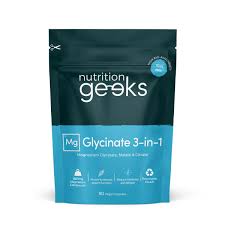
Magnesium glycinate – calming, good for sleep & anxiety
Magnesium citrate – helps digestion, can relieve constipation
Magnesium oxide – less absorbable, more for bowel support
Magnesium malate – often used for energy and muscle fatigue