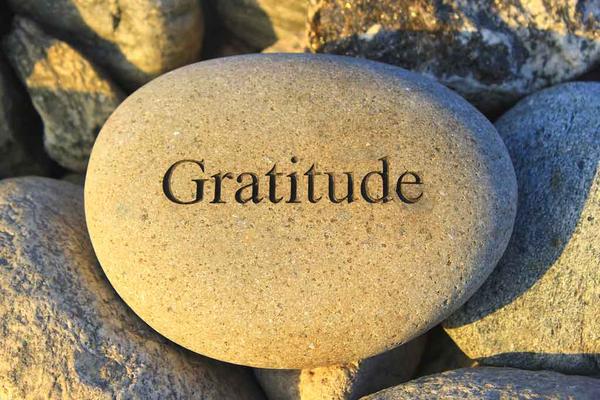
Gratitude might seem like a small thing, but research shows it can significantly improve mental wellbeing, reduce stress and even influence physical health. When we practiec gratitude regularly, it can actually change the way the brain processes experiences and help create a more positive mindset.
Why Gratitude
Works
Our brains naturally have what scientists call a negativity bias. This means we tend to focus more on problems, stress and things that might go wrong. Historically this helped humans survive, but in modern life it can lead to overthinking and worry.
Gratitude gently shifts attention in the opposite direction. It encourages the brain to notice positive experiences, even small
everyday moments.
When we practice gratitude consistently, the brain gradually becomes better at recognising the good things in our lives.
How Gratitude Changes Brain Chemistry
Gratitude also influences several important brain chemicals.
Dopamine is often called the reward chemical. When we
reflect on something positive, dopamine is released and we experience feelings of pleasure and motivation.
Serotonin helps regulate mood and emotional wellbeing. Gratitude practices can increase serotonin activity, supporting feelings of calm and stability.
Oxytocin, sometimes called the bonding hormone, increases when we express appreciation to others. This strengthens
relationships and feelings of connection.
Gratitude can also help reduce cortisol, the body’s main stress hormone.
Over time these changes help shift the brain into a calmer and more positive state.
How Gratitude Rewires the Brain
The brain has the ability to adapt and change through a
process called neuroplasticity. The thoughts and behaviours we repeat strengthen certain neural pathways.
If we repeatedly focus on stress or problems, those pathways become stronger.Gratitude helps create new pathways that encourage the brain to:
- Notice positive moments
- Appreciate small daily experiences
- Feel more optimistic
- Reduce stress and anxiety
- With regular practice, gratitude becomes a natural habit of thinking.
Simple Gratitude Practices
Gratitude does not need to take a lot of time. Even a few minutes can make a difference.
You might try writing down three things you are grateful for at the end of the day. They don’t need to be big moments. It could be a conversation with a friend, a walk outside, a great workout or simply feeling energised.
Another simple practice is gratitude during a walk. Take a moment to appreciate the fresh air, nature around you or simply the fact that your body is able to
move.
You can also practice gratitude for your body by focusing on what it allows you to do rather than how it looks. Strength, balance, movement and energy are all things worth appreciating.
And of course, expressing gratitude to someone else can be incredibly powerful. Sending a message or simply saying thank you strengthens relationships and boosts wellbeing for both
people.
The Key to Making Gratitude Work
Like exercise, gratitude works best when practised regularly.
Even one or two minutes a day can gradually train the brain to notice more positive experiences.
Over time people often notice improved mood, reduced stress and a greater appreciation for
everyday life.
A Little Moment of Gratitude
Last weekend was spent with friends and it made me so happy. Quality time spent in a beautiful place, to talk, walk, laugh and remenice - it was wonderful. I have also been grateful for lovely family, friends and hospital staff this week whilst my daddy has been poorly in hospital
What about
you?
What is one small thing you feel grateful for today?