How Stress and a Dysregulated Nervous System Affect Lymph Flow
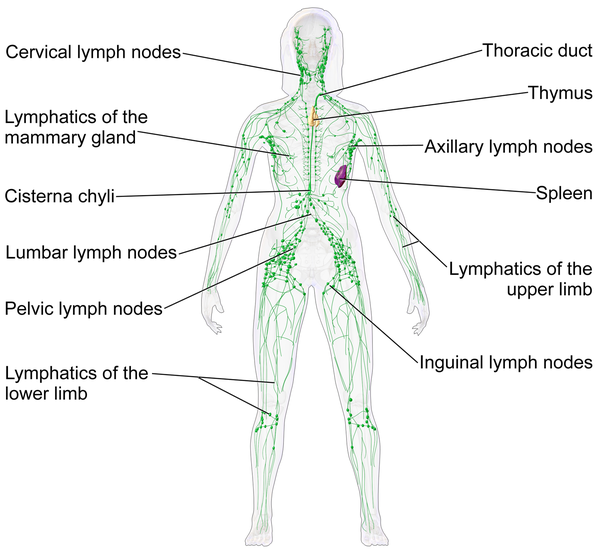
Your lymphatic system relies on movement, breathwork and relaxation to function well.
When the nervous system is
dysregulated — stuck in fight, flight or freeze — it can slow everything down.
Here’s how:
1. Muscle tension increases
Stress tightens the muscles, which restricts lymph flow around the body.
2. Breathing becomes shallow
Deep diaphragm
breathing acts like a pump for the lymphatic system.
Shallow breathing = slower drainage.
3. Digestion slows
Stress reduces blood flow to the gut, slowing the lymph tissues in the abdomen.
4. Inflammation rises
Chronic stress increases inflammation — a
sluggish lymph system struggles to clear it.
5. Sleep is disrupted
Your lymphatic and glymphatic (brain) systems work hardest overnight.
Poor sleep means poor drainage.
When both systems (nervous + lymphatic) are supported, people often feel lighter, clearer and more energised.
Lymphatic Reset Tips
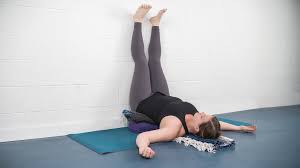
This gentle reset boosts lymph flow, reduces puffiness and helps regulate the nervous system.
Daily Movement Routine
1. Diaphragmatic Breathing – 2 minutes
Slow nasal
breaths
Belly expands
Long, slow exhales
This stimulates lymph flow and calms the nervous system.
2. Light Bouncing / Rebounding – 1–2 minutes
Gentle heel lifts or soft bounces.
No trampoline needed.
3. Neck & Collarbone Release – 1 minute
Slow head turns, side bends, shoulder rolls.
Keeps the main lymph drainage point open.
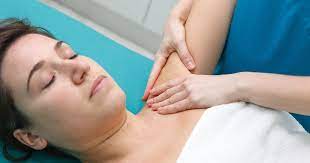
4. Axillary (Armpit) Opening – 1 minute
Arm circles, side reaches, thread-the-needle.
Targets the
underarm lymph nodes.
5. Hip & Groin Flow – 2–3 minutes
Marching, knee lifts, hip circles, mobility lunges.
This area contains the body’s largest lymph node cluster.
6. Lymphatic Fitness Pilates Flow – 3–5 minutes